Mechanical & chemical
Tensile testing; guided bend testing; Charpy impact; hardness; chemical analysis; drop-weight tear testing.
 Bay St. Louis, Mississippi
Material, weld, dimensional and coating evaluation, guided by the applicable specification and the requirements of each order.
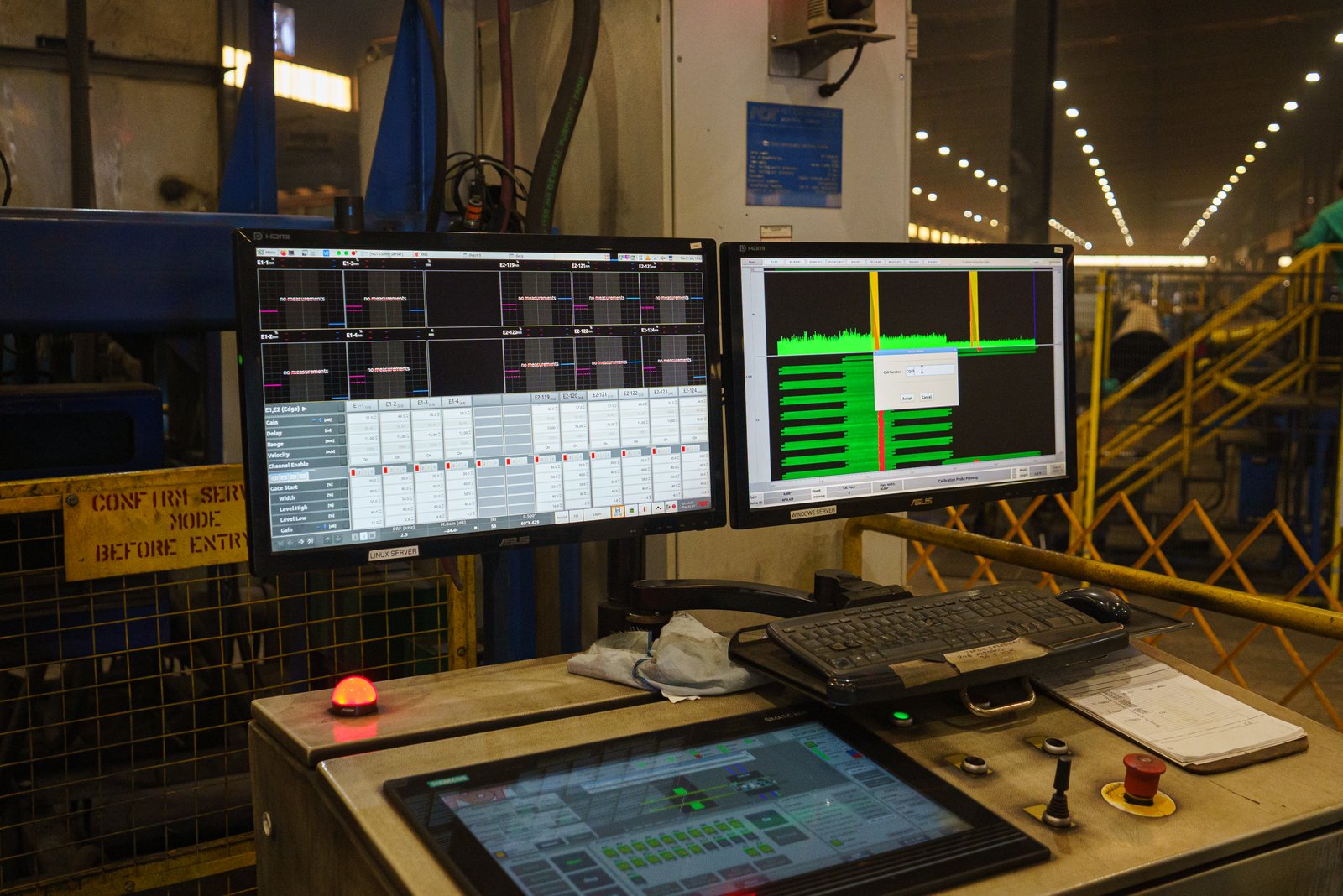
Quality control connects the material, the manufacturing process and the finished product.
Jindal Tubular combines destructive and nondestructive testing with in-house laboratory capability. Visual inspection checks for defects and weld consistency on internal and external surfaces.
The test programme and acceptance criteria must be agreed against the specification for the individual order.
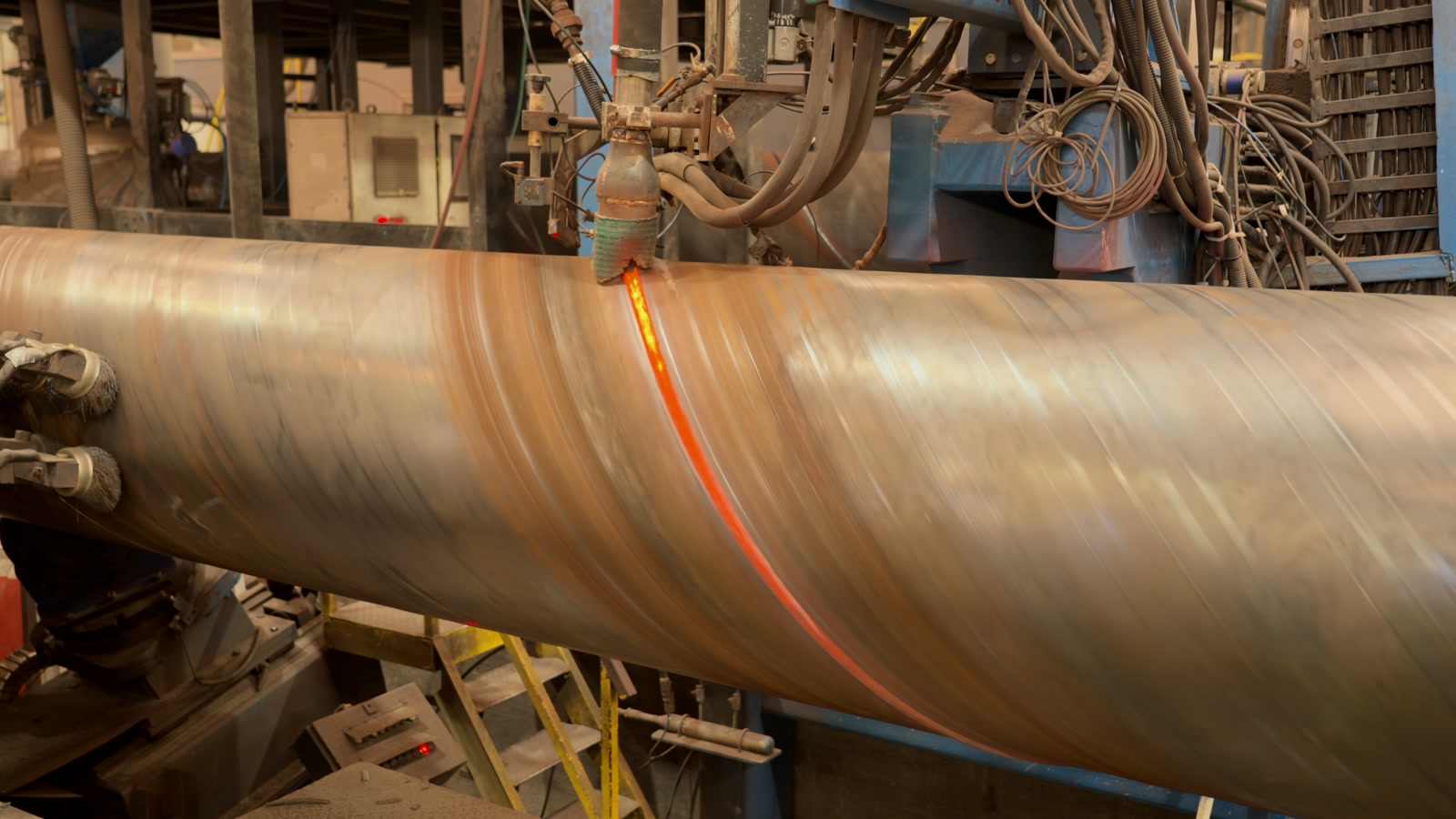
A range of methods supports the evaluation of pipe properties, weld integrity and finished dimensions.
Tensile testing; guided bend testing; Charpy impact; hardness; chemical analysis; drop-weight tear testing.
Hydrostatic testing; automated ultrasonic inspection; radiography; magnetic particle inspection; residual magnetism checks.
Dimensional verification and final visual inspection of pipe, internal and external surfaces, and weld consistency.
Cathodic disbondment; adhesion; contamination and porosity; gel time; flexibility; DSC; impact testing.
Discuss required inspections, acceptance criteria and documentation with our team during technical review.
Review material and evaluate mechanical and chemical properties.
Inspect the spiral seam using appropriate nondestructive methods.
Evaluate pressure performance, dimensions and visual condition.
Check the applied protection against the required performance criteria.
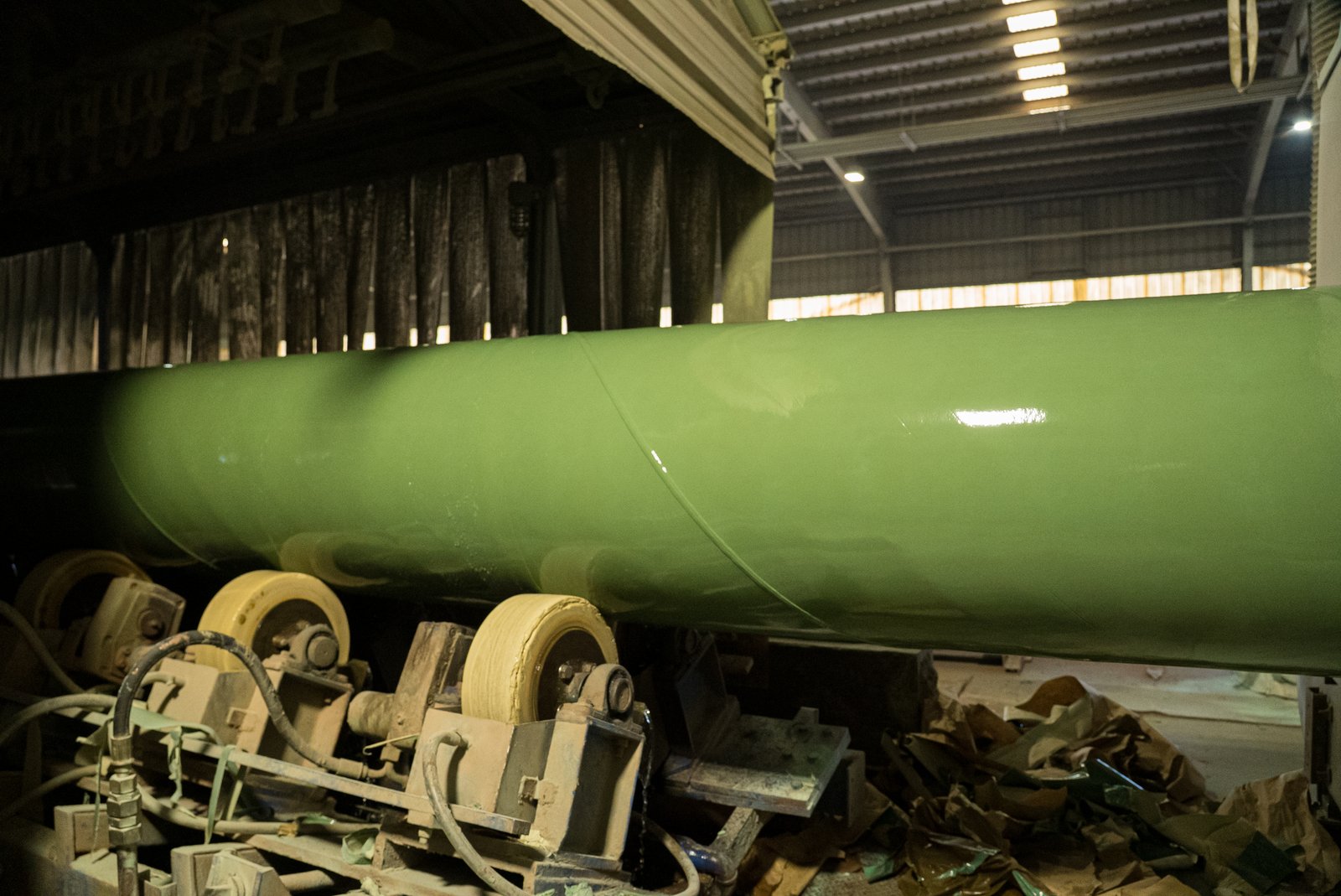
Performance evaluation extends to the protective systems applied to the pipe.
Tell us the standards, inspection requirements and supporting documents needed for your procurement or engineering review.
Share the applicable specification and required inspections so the scope can be reviewed with the right people.